
Duchamp at Moma

Updated: Jun 25
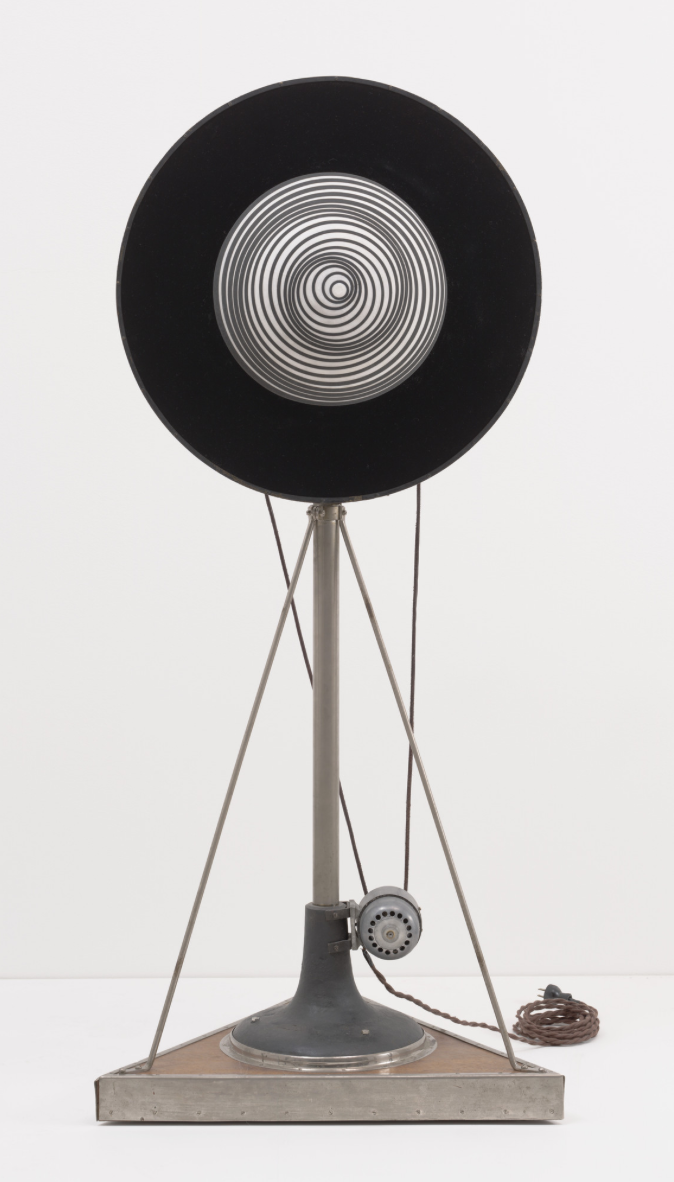
I have always been drawn to the idea that anything can become art. Surrealism and the concept of the readymade were the first artistic approaches that made me realize how an ordinary, seemingly meaningless object could be transformed into something that carries value, meaning, and new ways of seeing. This challenged my understanding of creativity and showed me that art is not limited to traditional materials or techniques, but can emerge from the act of recontextualization itself.
The question, “Why is this art?” is often asked by viewers of contemporary art, and it is virtually impossible to answer without referring to Marcel Duchamp. Over a six-decade career, Duchamp challenged the very definition of the artwork, ushering in a new era of creative freedom whose influence is still felt today. Although he resisted being defined by artistic “-isms,” he played important roles in movements ranging from Cubism to Surrealism to Pop Art. His work was characterized by constant reinvention and deliberate contradiction, reflected in his statement: “I have forced myself to contradict myself in order to avoid conforming to my own taste.” Duchamp’s ideas continue to resonate with me because they demonstrate how the artist’s choice, context, and perspective can transform the ordinary into something worthy of contemplation and artistic value.


